
















The Natural Hair Revolution in Kenya
A decade ago, the dominant beauty standard for Kenyan women’s hair was straight. Chemical relaxers were routine, hair extensions were ubiquitous, and natural African hair textures were broadly seen at least in formal and professional contexts — as something to be managed, tamed, or covered. That era is over.
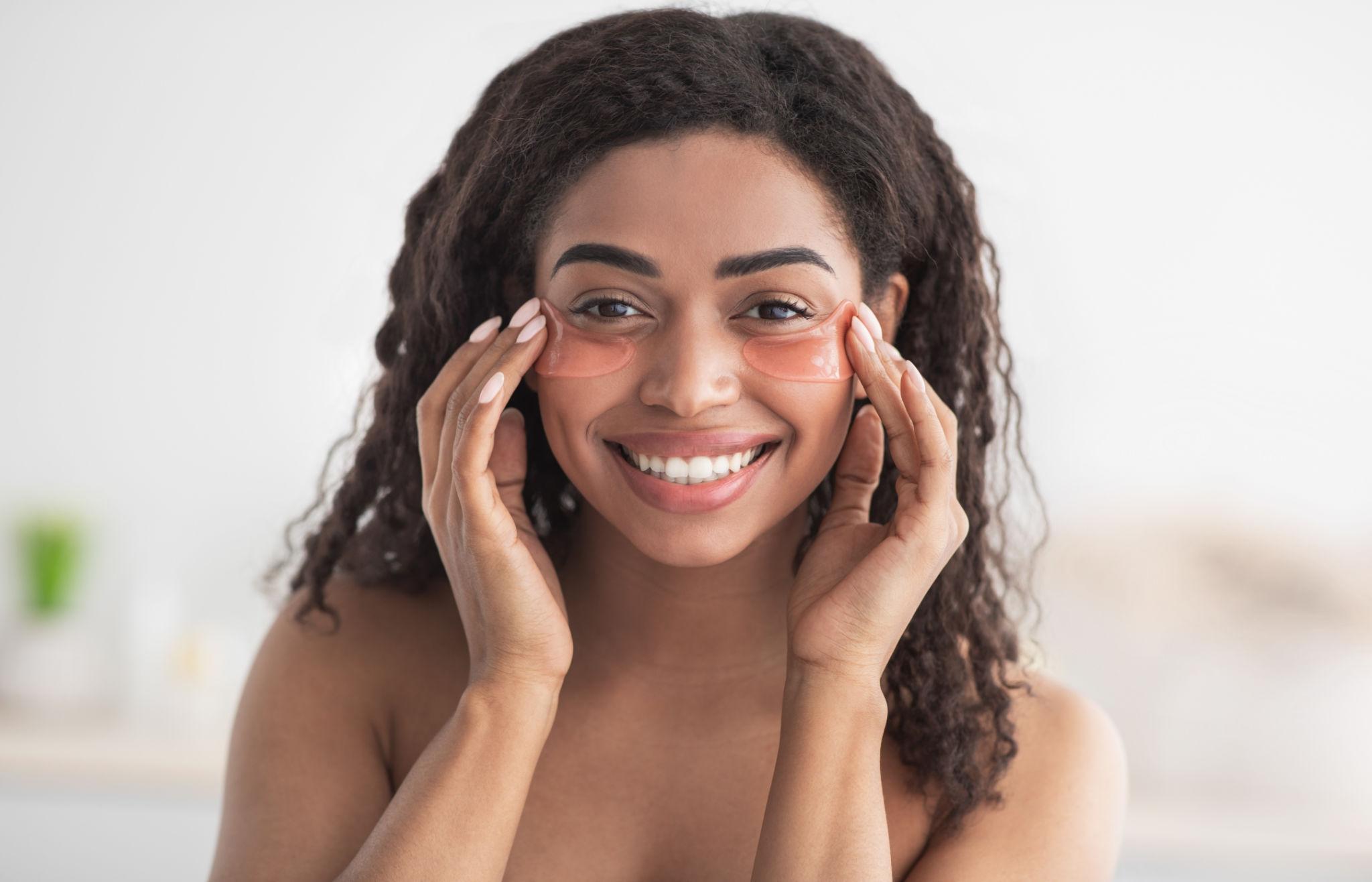
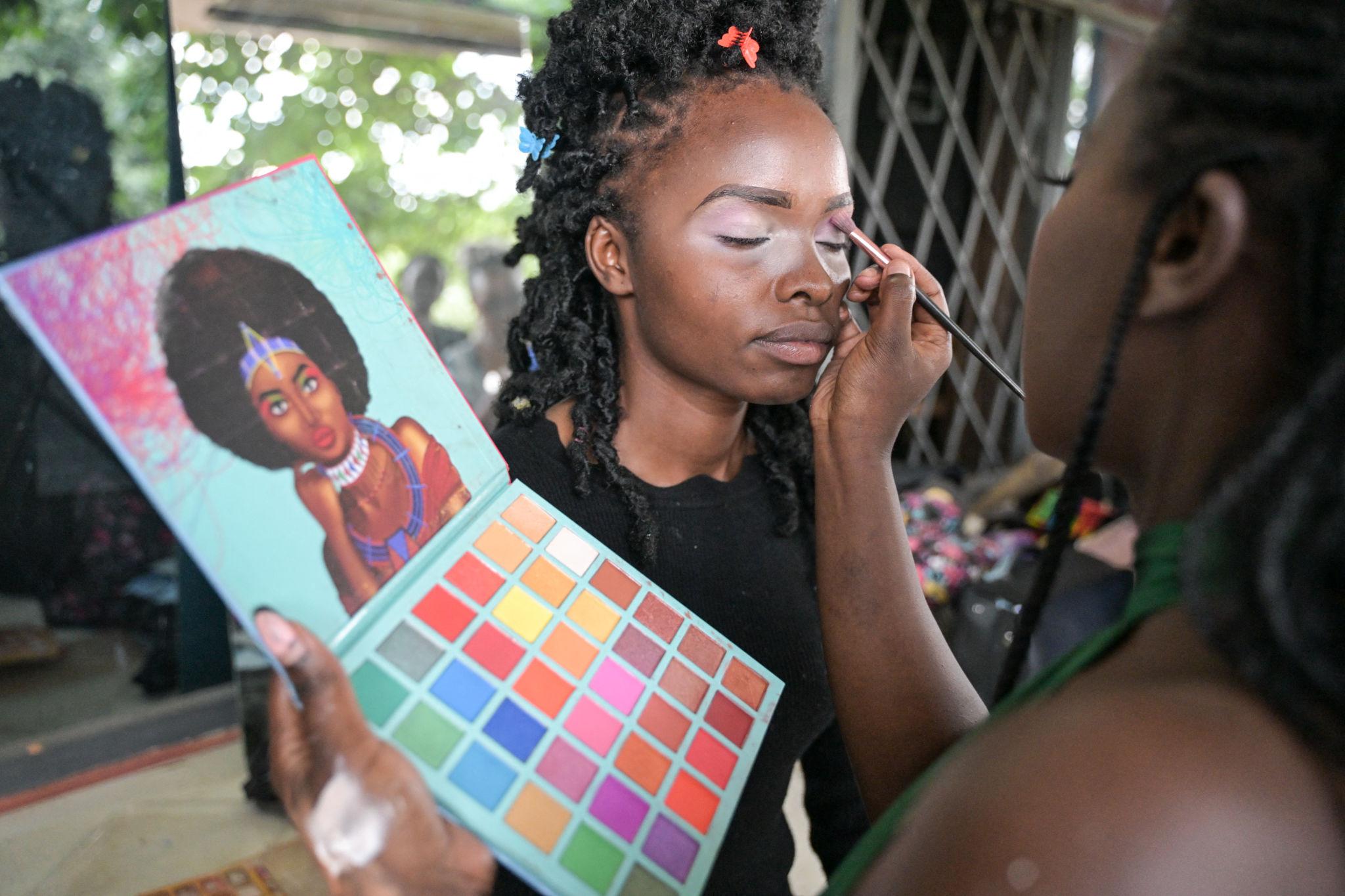
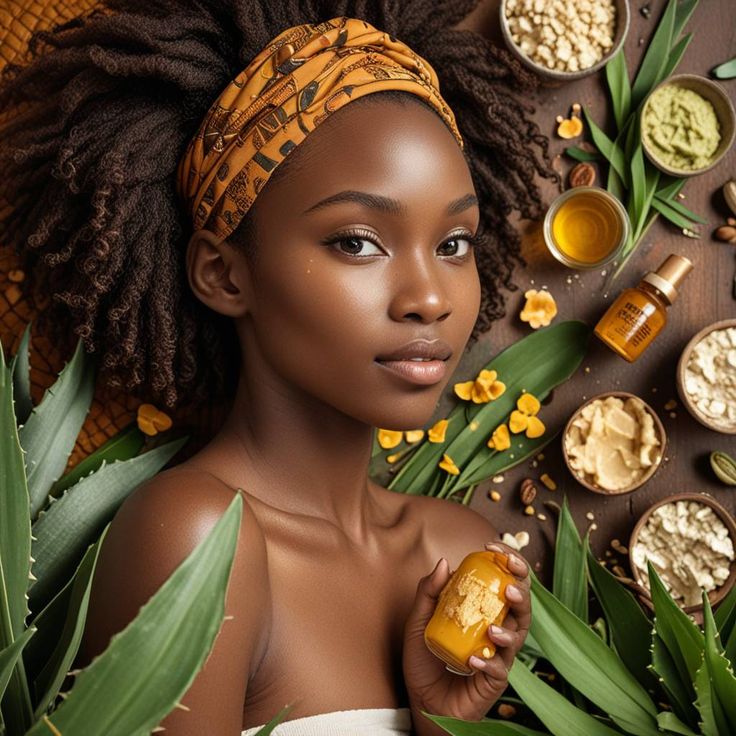
Kenya’s natural hair movement has been one of the most profound cultural shifts in the country’s beauty landscape. Hundreds of thousands of Kenyan women across all ages, professions, and social backgrounds have transitioned to or returned to their natural hair textures. And with this shift has come a thriving community of natural hair care knowledge: YouTube channels, Instagram pages, WhatsApp groups, and professional salons dedicated entirely to the care and celebration of natural African hair.
This guide is for every Kenyan woman navigating her natural hair journey whether you are newly natural, still transitioning, or a veteran who wants to deepen her knowledge.

The Most Important Principle: Moisture Retention
African hair textures are structurally more prone to dryness than other hair types. The tight coil pattern makes it difficult for the scalp’s natural oils (sebum) to travel down the hair shaft — meaning the ends of natural African hair rarely receive the natural moisture that straight hair benefits from. This is why natural hair care is so heavily focused on moisture.
The LOC method (Liquid, Oil, Cream) is the most widely used moisture retention technique for natural hair, and it works extraordinarily well for Kenyan hair textures:
✦ L — Liquid: Start with water or a water-based leave-in conditioner. This is your first layer of moisture, applied to damp or misted hair.
✦ O — Oil: Apply a light oil — coconut, castor, jojoba, or argan — over the liquid layer. This seals the moisture in and prevents it from evaporating.
✦ C — Cream: Apply a thick hair butter or cream as the final layer. This provides lasting moisture and definition throughout the day.
Protective Styling: The Kenyan Hair Growth Secret
Protective styling natural hair in ways that tuck away the ends and reduce daily manipulation — is one of the most effective ways to retain length and maintain hair health. Braids, twists, bantu knots, and updos all qualify as protective styles, and they have been central to East African hair culture for centuries.
The key to protective styling done right is scalp health. Braids and twists that are too tight cause traction alopecia — a form of hair loss from repeated tension at the hairline. Ensure your stylist uses a gentle touch, particularly at the edges. Moisturise your scalp even while in a protective style, and never leave a protective style in for more than 6-8 weeks without refreshing it.
Castor oil applied to the hairline and scalp twice a week while in protective styles helps maintain moisture, stimulate growth, and keep edges full and healthy — a tip passed down through generations of Kenyan women with remarkable results.
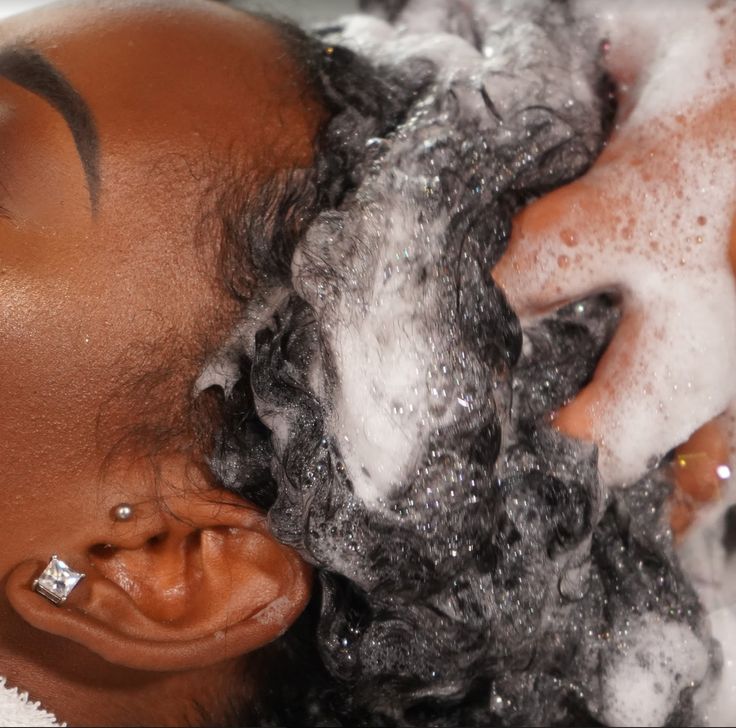
Washing Your Natural Hair: How Often and How
Natural hair should be washed based on your scalp’s needs — typically every 1-2 weeks for most Kenyan hair types. A build-up of product, sweat, and pollution can clog follicles and slow growth. However, over-washing strips the hair of its natural oils and leads to increased dryness.
✦ Always detangle before washing, not after. Use a wide-tooth comb or your fingers to gently work through knots from ends to roots while the hair is dry or lightly misted with water.
✦ Wash in sections — dividing hair into 4-6 sections and washing each separately prevents excessive tangling during the wash process.
✦ Deep condition every wash day. A good deep conditioner, left on for 20-30 minutes under a plastic cap, makes an extraordinary difference in moisture levels and manageability.
Your natural hair is not difficult it just requires knowledge, patience, and the right routine. The Kenyan women thriving in their natural hair today will tell you: once you understand your hair, you will never look back.


Comments (2)
Matt Rosnor December 2, 2025
Nerio News Magazine brings you trusted timely and thought-provoking stories from around the globe. From breaking headlines to in-depth analysis we deliver
Matt Rosnor December 2, 2025
Residents in the surrounding area reported heightened activity as police units and forensic teams worked throughout the day