




Kenya Has the Ingredients. Now It Has the Recipe.
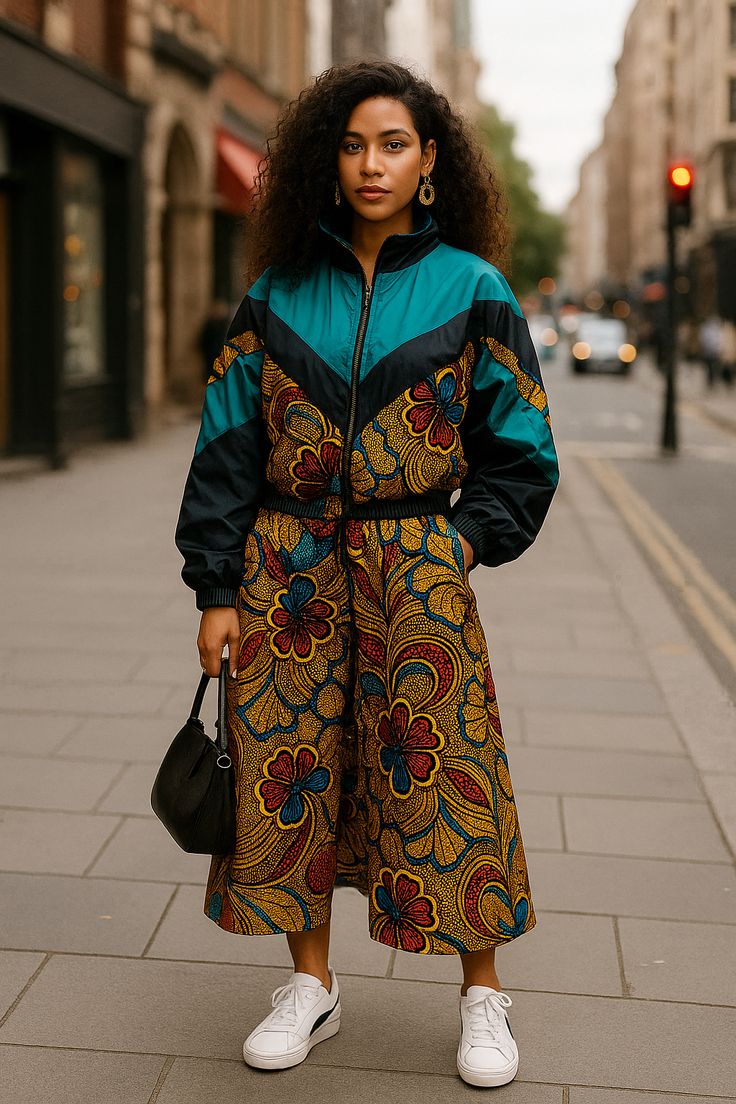
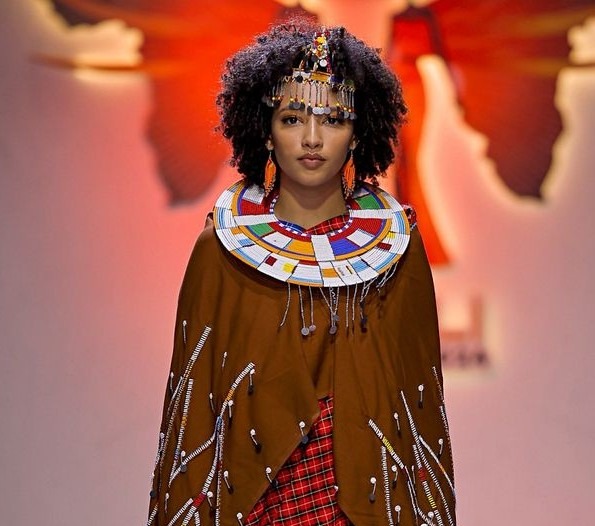
Kenya has always had the raw materials for a world-class fashion industry. Extraordinary natural fabrics — cotton, sisal, locally sourced wool. A rich tradition of textile craft kitenge, kanga, kikoi, Maasai beadwork. A population of young, ambitious, globally connected creatives who grew up consuming international fashion through satellite television and, later, the internet. And a growing middle class with the disposable income and the cultural pride to invest in locally made clothing.
What has been missing until recently is the ecosystem to bring these ingredients together. The training infrastructure. The access to capital. The market connections. The platforms for visibility. In 2026, that ecosystem is finally taking shape. And the results are beginning to speak for themselves.
The NFW 2026 Generation: Labels to Know
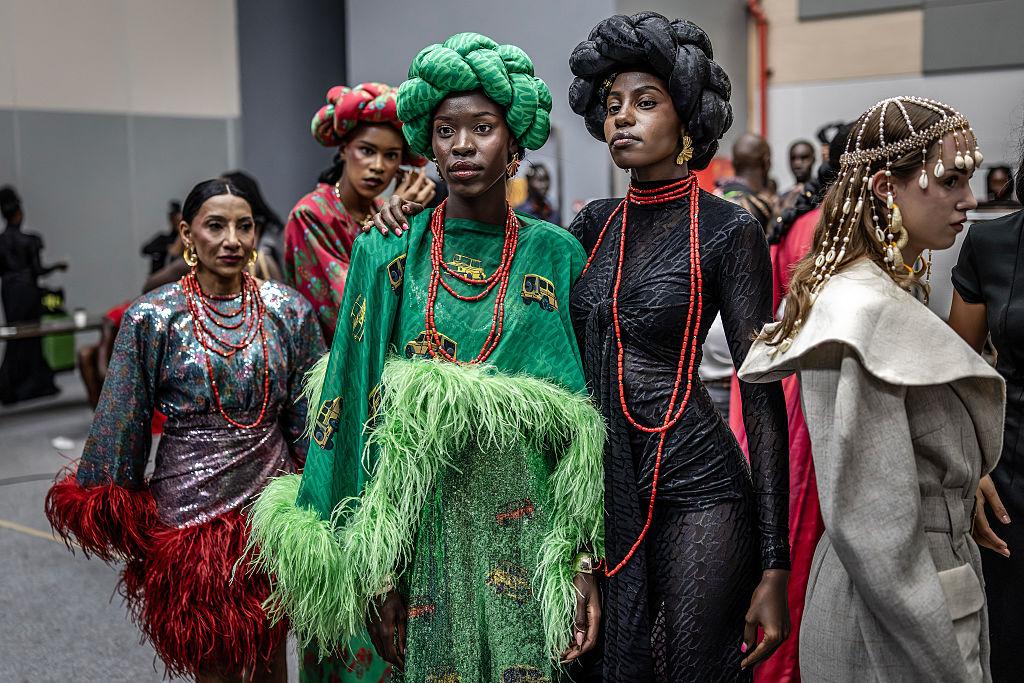
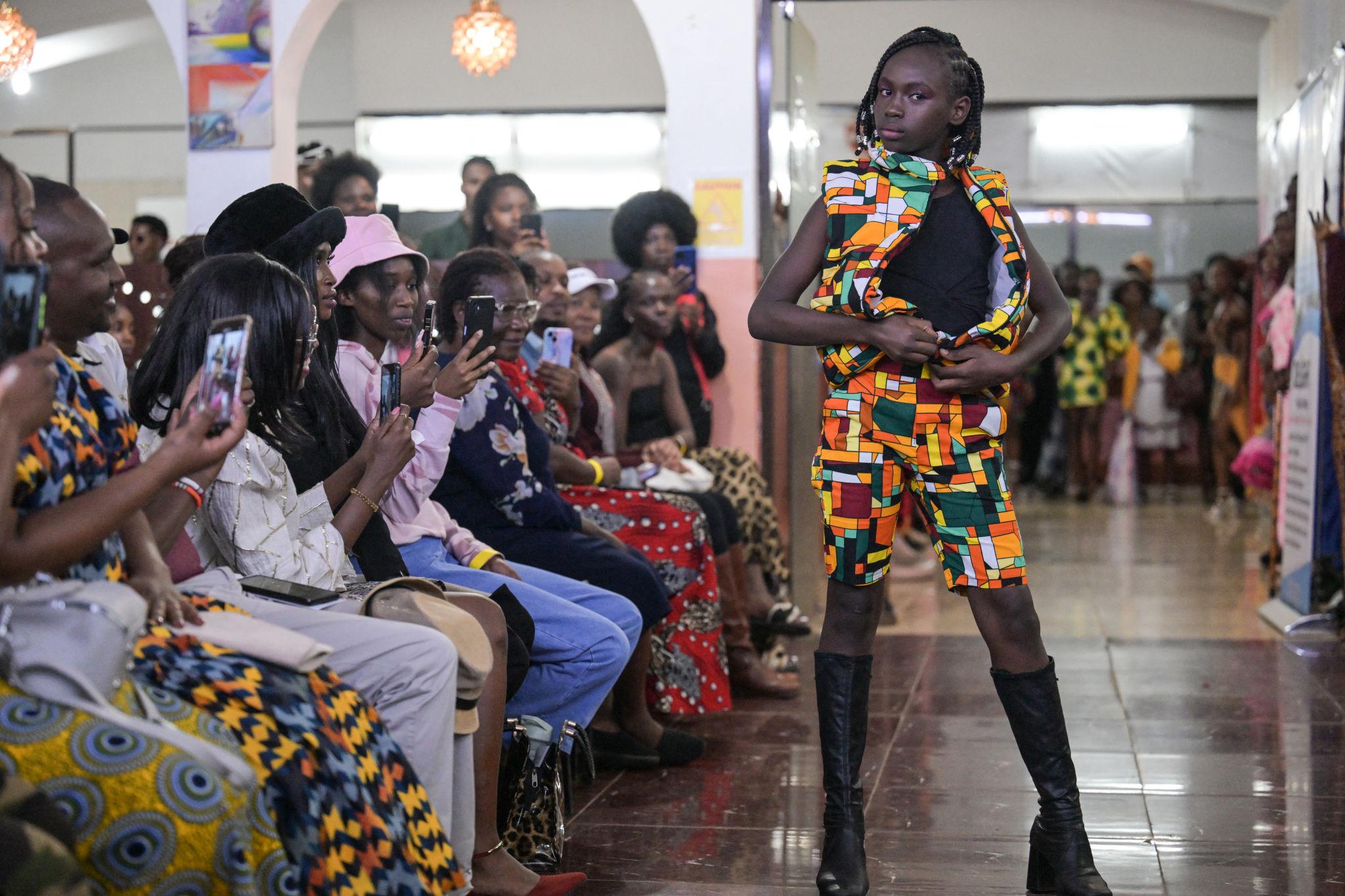
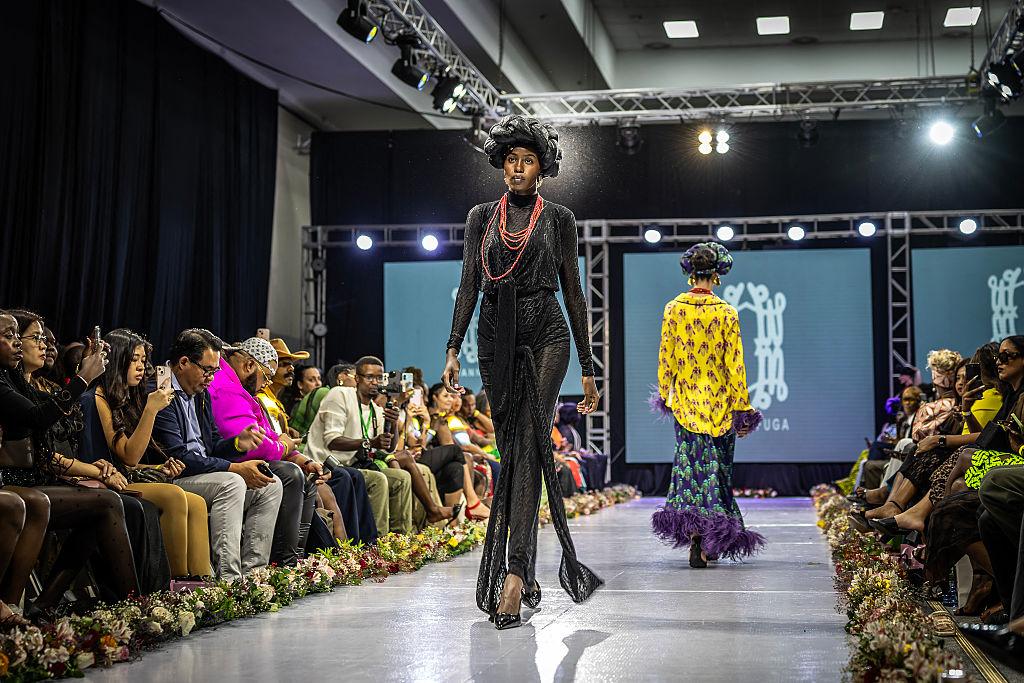
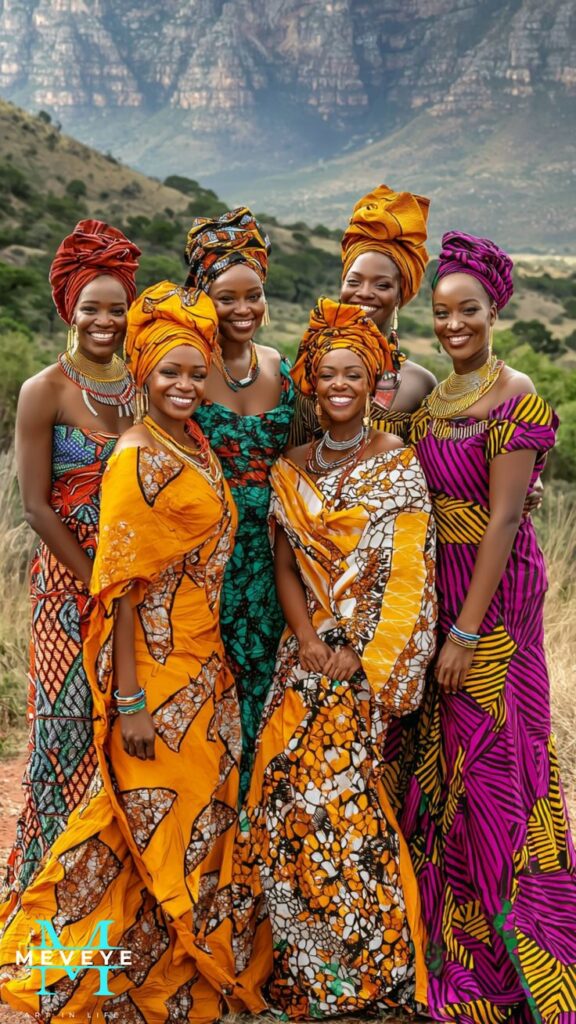
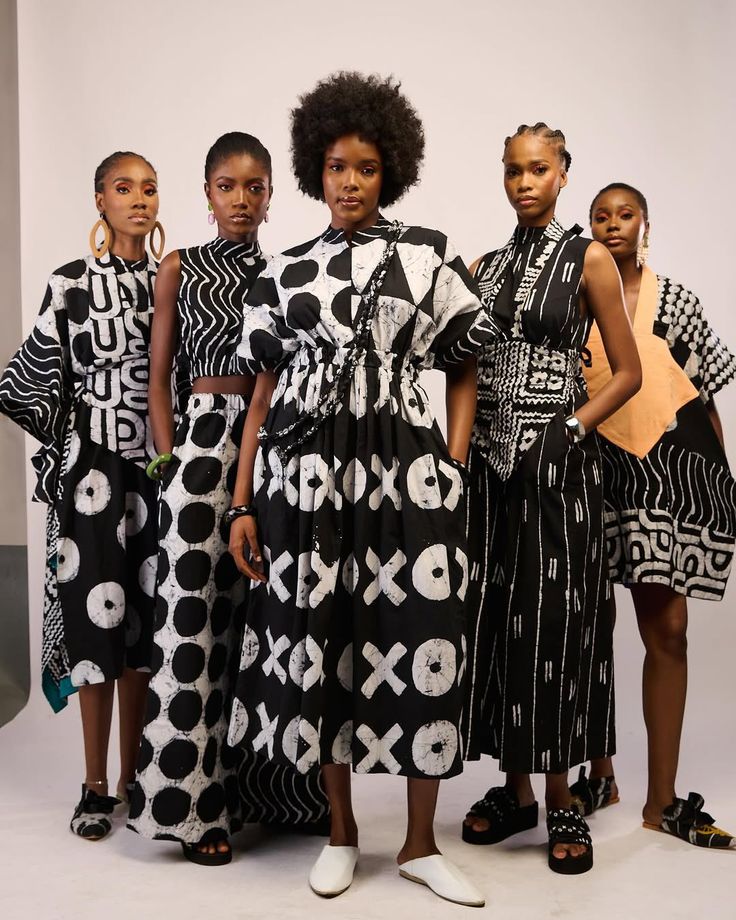
Nairobi Fashion Week 2026 served as the most important showcase yet of Kenya’s fashion design talent. The labels that showed at the Sarit Expo Centre in January represent a genuinely new generation of Kenyan fashion one that has absorbed global influences, mastered contemporary construction techniques, and found a way to express something distinctly, proudly Kenyan.
Maisha by Nisria is perhaps the label that best captures the spirit of 2026 Kenyan fashion. Their “ASILI” collection the Swahili word for “origin” or “nature” was constructed entirely from upcycled and reclaimed textiles. Each garment carried the history of its previous life as a visible design element rather than a flaw to be hidden. The result was fashion that felt simultaneously ancient and futuristic: deeply rooted in its material reality, and absolutely of the present moment. Studio Lola has built a reputation for handcrafted knitwear of extraordinary precision. Their NFW 2026 collection continued in this tradition minimalist silhouettes, impeccable finish, an insistence on quality over volume that feels like a direct rebuke of fast fashion’s logic. Studio Lola is the label that makes you understand what “slow fashion” actually looks like when it is done beautifully.
VAST has developed a distinctive design language that draws on the full range of African textile tradition — not just Kenyan, but pan-African. Their use of West African handwoven fabrics alongside East African references asserts a vision of African fashion identity that is continental in its ambition and confident in its cultural authority. Their architectural cuts give these fabrics a contemporary urgency that feels globally relevant.
Molivian, founded in 2021 and already one of the most discussed labels in East African fashion, works extensively with textile upcycling and patchwork construction. Their collections are visually complex, technically demanding, and politically engaged — each piece making an argument about material culture, waste, and the possibility of beauty emerging from what has been discarded. Molivian is the most exciting young label in Kenya right now.
The Designers Behind the Labels: Who They Are
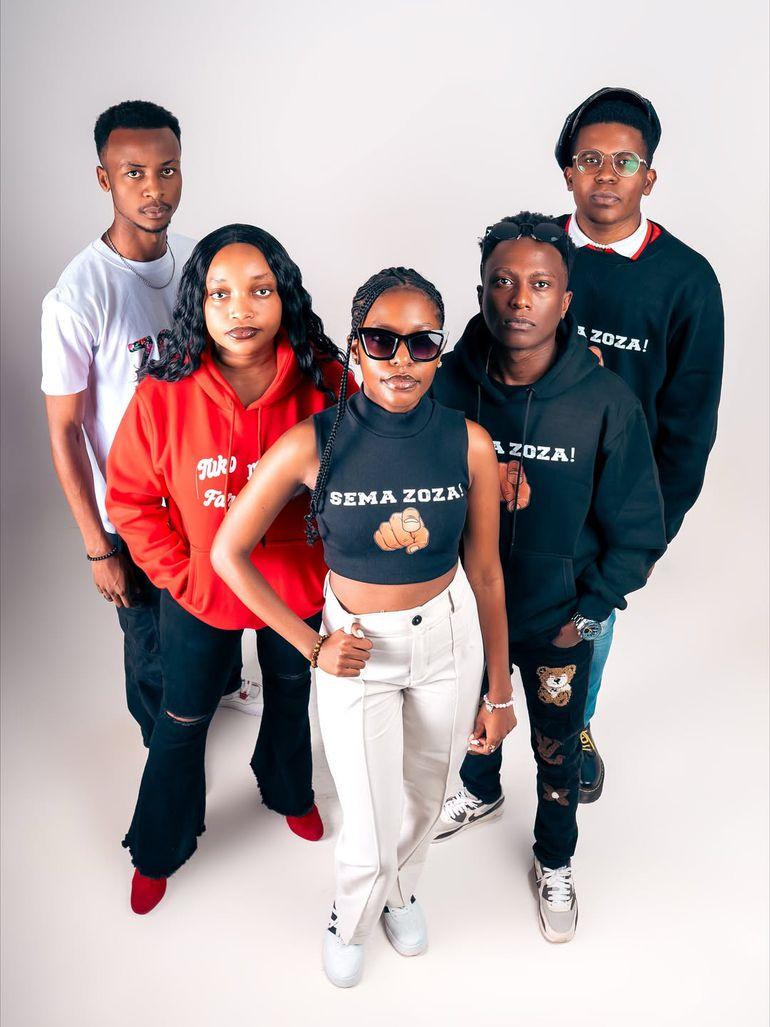
One of the most important stories of Kenyan fashion in 2026 is the story of who is making it. The generation of designers currently defining Kenya’s fashion industry is predominantly young, predominantly female, and predominantly trained either in Kenya or through a combination of local and international education. Many have returned to Nairobi after studying fashion design in London, Milan, or New York bringing technical skills and global perspectives that they are now applying to deeply local creative contexts.
Others have built their skills entirely within Kenya through institutions like Riara University’s Fashion Design programme, private design schools, and the apprenticeship culture that has always been central to Nairobi’s tailoring and fashion industry. The knowledge base and technical capability within Kenya’s fashion design community has reached a level in 2026 that makes the “emerging” label simply inaccurate.
Yvonne Odhiambo of Afro Street Kollektions represents another model: a designer who has built her brand primarily through social media and community, making Afro-fusion streetwear that resonates with a broad, young, culturally confident Nairobi audience. Her three consecutive appearances at NFW are evidence of consistent quality and growing influence. She is building a brand that does not require external validation to know its worth.
The Honest Conversation: What Kenya’s Fashion Industry Still Needs
The progress is real, and it deserves celebration. But honesty requires acknowledging what remains unresolved. Kenya’s fashion industry still faces significant structural challenges: limited access to capital for emerging designers, a domestic retail environment that does not adequately support local labels, a middle-class consumer base that still too often chooses international brands over Kenyan alternatives, and a training infrastructure that is growing but not yet sufficient to meet the industry’s talent needs.
The insight being articulated by some of Kenya’s most thoughtful fashion voices is that the industry is “playing on repeat” producing beautiful work but not yet achieving the scale of innovation and commercial disruption that its ingredients should make possible. The gap between Kenya’s creative potential and its commercial reality is one of the defining challenges of the industry in 2026. NFW 2026’s Fashion Frontier Africa Incubator Programme a partnership with Cultrite — is one meaningful response to this challenge: providing emerging designers with structured support for brand development, business skills, and market access. It is the kind of ecosystem-building that Kenya’s fashion industry needs more of.
Made in Kenya. Worn with pride. That is the fashion story of 2026.
Here is what we know: Kenya has designers producing world-class work. Kenya has artisans whose craft is extraordinary. Kenya has tailors who can make anything, beautifully. And Kenya has a growing community of consumers who understand that choosing locally made fashion is not a compromise — it is a statement of cultural pride, economic solidarity, and aesthetic sophistication.
The designers above need your patronage, your attention, and your advocacy. Share their work on social media. Wear their clothes to events where people will ask where you found them. Gift their pieces to people you love. The future of Kenyan fashion is being built right now, by extraordinary people, in studios and workshops across Nairobi. The least we can do is show up for them.
“In claiming sustainability as its language and heritage as its foundation, Nairobi did not ask for a seat at the global table. It built its own.”
— FashionEVO, February 2026


Comments (2)
Matt Rosnor December 10, 2025
Nerio News Magazine brings you trusted timely and thought-provoking stories from around the globe. From breaking headlines to in-depth analysis we deliver
Matt Rosnor December 10, 2025
Residents in the surrounding area reported heightened activity as police units and forensic teams worked throughout the day